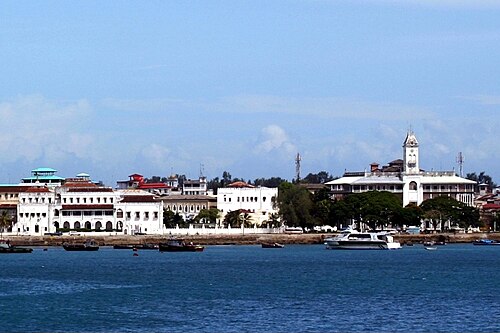
 1
Stone Town
Half a day
Carved doors, coral-stone houses and narrow alleys; get lost on foot, a guided walk helps with the history
Zanzibar is an island off Tanzania with two sides: Stone Town, a UNESCO-listed maze of narrow alleys, and long white beaches on the north and east coasts.
Zanzibar is an island off Tanzania with two sides: Stone Town, a UNESCO-listed maze of narrow alleys, and long white beaches on the north and east coasts. Spend a day or two in Stone Town, then move to the sand. Most people are Muslim, so cover your arms and legs in town. On the east coast the tide goes far out, while Kendwa can be swum at any tide.
Updated 20 Nov 2026. Words from our research of Wikivoyage and Wikipedia, written by Trip720; figures from our checked data, each with its source.
What it costs
Sources: livingcost.org, en.wikivoyage.org, tourismupdate.com; in GBP at today's rate.
Not to miss
In Zanzibar first, day trips last.
1Half a day
Carved doors, coral-stone houses and narrow alleys; get lost on foot, a guided walk helps with the history
 2
2 hours
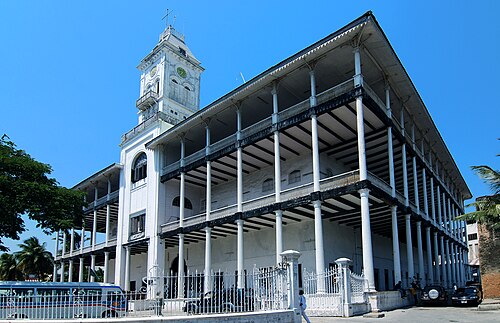 3
2 hours
Stone Town's landmark seafront palace; the building has been under restoration, so check whether the interior is open
 4
2 hours
Grilled seafood, Zanzibar pizza and sugar-cane juice on the seafront every evening from sunset
 5
2 hours
Sobering memorial and underground holding chambers beside the cathedral
Half a day
Half-day walk through plantations near Kizimbani; book through your hotel rather than a street tout
Half a day
20-minute boat ride from the Stone Town seafront; giant tortoises and snorkelling
2 hours
Traditional sailing boats leave from Stone Town and Nungwi before sunset
Half a day
Boats from Nungwi, Kendwa and Matemwe; the best reef on the island, dolphins often seen

Zanzibar's only national park, about 35 km from Stone Town; mangrove boardwalk included
From our research of travel guides; ticket prices from Tiqets when we found them. Photos: Wikimedia Commons, free licences.
How to see it
Grouped so you never cross the town twice. Your own trip moves these around your dates, opening days and budget.
Where to sleep
Where you sleep in Zanzibar decides how much you walk and how you spend your evenings. Your trip prices the stays for your dates.
The old capital, best for history and wandering on foot. Touts on the waterfront can be pushy.
A popular resort town at the north tip. About one and a half hours from Stone Town.
A small fishing village near Nungwi. The beach can be swum at both low and high tide.
Long east-coast beaches with many small hotels. Paje is for kiteboarding; swimming is poor at low tide.
What to eat
A folded, crepe-like street snack with beef, egg or seafood.

Spiced rice with coconut and nuts, from the island's Arab links.
Fish and octopus grilled at the Forodhani night market.

Pressed fresh on the street in Stone Town. Often with lime.
Dish photos: Wikimedia Commons, free licences.
When to go
Best months30° and overAverage daytime high
Pleasant days and the least rain.
13 mm of rain on average.
Up to 30° in the afternoon. April is the wettest month (256 mm).
Source: NASA POWER climatology.
Good to know
Official source: visa.immigration.go.tz, checked 2026-10-26. Your plan checks your own passport when you build it.
Cover your arms and legs in Stone Town. Swimwear is fine on resort beaches.
Do not pay touts on the street, who may take your money without booking.
Fares are negotiable. A private car is often cheaper than an official taxi.
At low tide they can sting badly if you step on them. Wear reef shoes.
At the Dar es Salaam terminal, porters can steer you to overpriced offices. Walk to the ferry company yourself.
Bring your passport and fill in the arrival card. Yellow fever checks and travel insurance rules can apply.
Questions
Food and getting around come to about £15 a person a day eating street food, £21 with a balanced mix and £32 eating mostly in restaurants, before your stay and activities.
The most pleasant months are January, February and June to October. July is the driest month (13 mm of rain) and April the wettest (256 mm); daytime highs run from 27 to 30 °C over the year.
An e-visa before you fly (Tanzania Ordinary Visa), US$50. Checked on visa.immigration.go.tz on 2026-10-26; rules change, so check again before you book.
Stone Town, Old Fort, House of Wonders, Forodhani Gardens night food market, Anglican Cathedral and former slave market.
Tell us your total. We build the whole trip to fit it, every cost counted.
Header photo: Wikimedia Commons, free licence. Photo credits