 1
Ganga Aarti at Dashashwamedh Ghat
2 hours
Nightly fire ceremony starting right after sunset; arrive 45 minutes early for a spot on the steps or watch from a boat
Varanasi is one of India's holiest cities, a maze of old lanes running down to stone steps on the Ganges.
Varanasi is one of India's holiest cities, a maze of old lanes running down to stone steps on the Ganges. Life and death happen in the open here: pilgrims bathe at dawn and cremations burn day and night. Take a boat at sunrise for the best view of the ghats. In the evening, join the crowds at Dashashwamedh Ghat for the fire ceremony.
Updated 20 Nov 2026. Words from our research of Wikivoyage and Wikipedia, written by Trip720; figures from our checked data, each with its source.
What it costs
Estimated from price levels across India (World Bank), as our planner does until we check Varanasi itself; in AUD at today's rate.
Not to miss
In Varanasi first, day trips last.
12 hours
Nightly fire ceremony starting right after sunset; arrive 45 minutes early for a spot on the steps or watch from a boat
 2
Half a day
Walk the whole riverfront from Assi Ghat north to Panchganga Ghat in the early morning; about 3 km
 3
2 hours
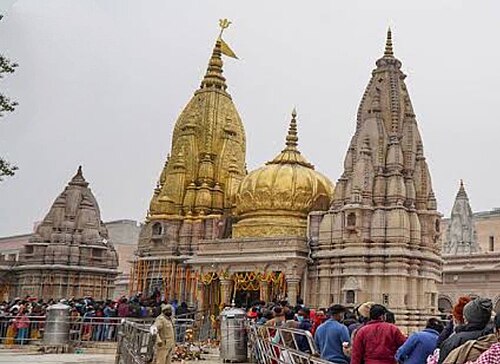
Strict security, no bags, phones or cameras; expect queues. Non-Hindus may be asked for ID
 4
2 hours
The main cremation ghat. No photography, stay quiet, and ignore anyone asking for donations for wood
 5
Half a day
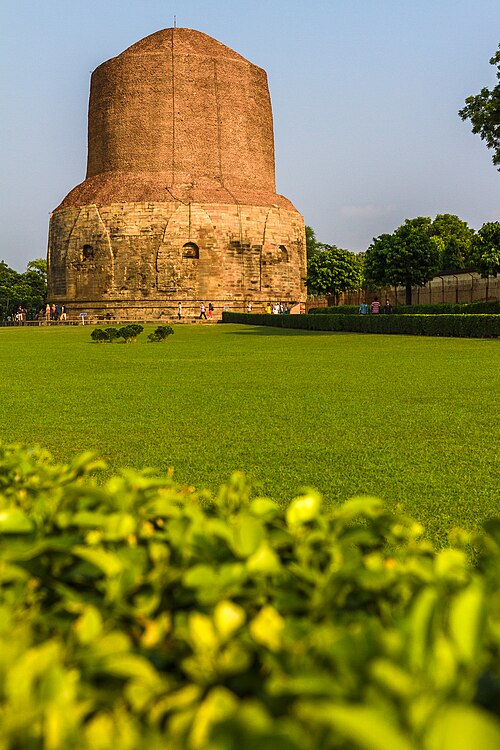
10 km north of the city; see the stupa, the Ashoka Pillar base and the Lion Capital in the site museum (closed Fridays)
 6
2 hours
Dawn aarti, classical music and free yoga on the southern ghat; a calmer base than Dashashwamedh
 7
2 hours
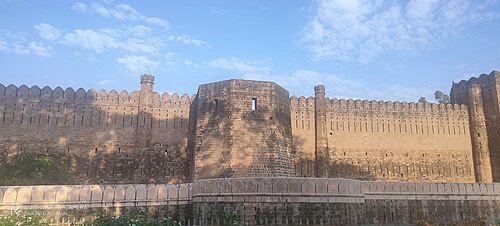
Across the river from Tulsi Ghat; the museum has vintage cars, palanquins and a huge astronomical clock
2 hours
Godowlia Chowk and the lanes behind the ghats; ask to see weavers at work and compare prices before buying
2 hours
Rowboats from any ghat; agree the price first. Sunrise shows the bathing ghats at their busiest, sunset rides end at the aarti
A guide helps you find the lassi shops, silk weavers and markets hidden in the lanes behind Dashashwamedh Ghat
From our research of travel guides; ticket prices from Tiqets when we found them. Photos: Wikimedia Commons, free licences.
How to see it
Grouped so you never cross the town twice. Your own trip moves these around your dates, opening days and budget.
Where to sleep
Where you sleep in Varanasi decides how much you walk and how you spend your evenings. Your trip prices the stays for your dates.
The heart of the ghats, near the evening ceremony. Atmospheric and central; very noisy, and rooms vary a lot.
The southern end of the ghats, with cafés, yoga and cheaper guesthouses. More relaxed; a walk or ride to the main ghats.
Near Varanasi Junction station, with more modern hotels. Comfortable and quieter; a short rickshaw ride to the river.
Quiet Buddhist town outside the city. Peaceful, but a long ride to the ghats each day.
What to eat

Stuffed potatoes cooked slowly in a rich, slightly sweet spiced gravy.
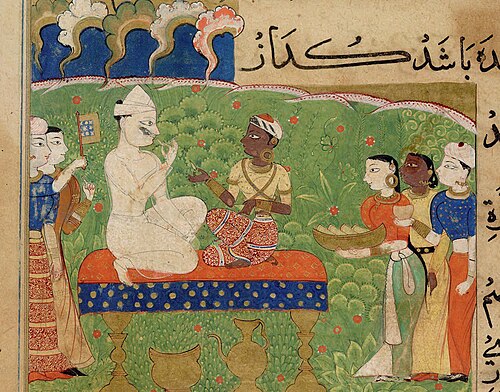
Betel leaf folded around sweet fillings, chewed after meals. Ask for one without tobacco.

Thick, chilled yoghurt drink, often topped with a layer of cream.

Sweet thickened milk with layers of cream, flavoured with nuts.
Dish photos: Wikimedia Commons, free licences.
When to go
Best months30° and overAverage daytime high
Pleasant days and the least rain.
2 mm of rain on average.
Up to 43° in the afternoon. July is the wettest month (249 mm).
Source: NASA POWER climatology.
Good to know
Official source: smartraveller.gov.au, checked 2026-10-26. Your plan checks your own passport when you build it.
Do not photograph cremations at Manikarnika Ghat, even from a boat. Stay quiet and keep a respectful distance.
Men posing as volunteers ask for money for wood. It is a scam; politely say no and move on.
Drivers may say your hotel burned down or is full, to earn a commission elsewhere. Insist on your booking.
The Ganges here is heavily polluted. Watch the bathers, but keep out of the water yourself.
Bhang lassi contains cannabis. It is strong and slow to act, and visitors have been robbed after drinking it.
Some temples are for Hindus only. Kashi Vishwanath bans phones and bags inside, so use the lockers, and wear easy-off shoes.
Questions
Food and getting around come to about A$13 a person a day eating street food, A$20 with a balanced mix and A$24 eating mostly in restaurants, before your stay and activities. These are estimates from price levels across India; Varanasi itself is not checked yet.
The most pleasant months are November to February. November is the driest month (2 mm of rain) and July the wettest (249 mm); daytime highs run from 24 to 43 °C over the year.
Indian Tourist e-Visa, US$25. Checked on smartraveller.gov.au on 2026-10-26; rules change, so check again before you book.
Ganga Aarti at Dashashwamedh Ghat, The Ghats of Varanasi, Kashi Vishwanath Temple, Manikarnika Ghat, Sarnath and the Dhamek Stupa.
Tell us your total. We build the whole trip to fit it, every cost counted.
Header photo: Wikimedia Commons, free licence. Photo credits