 1
Red Fort (Lal Qila)
2 hours
Closed Mondays; evening sound and light show
Delhi is two cities in one: the crowded Mughal lanes of Old Delhi and the wide, leafy avenues of New Delhi.
Delhi is two cities in one: the crowded Mughal lanes of Old Delhi and the wide, leafy avenues of New Delhi. Know about the air first: smog is heavy from October to February, and summer heat can reach 45 degrees. Start early in Chandni Chowk and the Red Fort, before the crowds build. Spend the evening shopping and eating around Connaught Place or Khan Market.
Updated 20 Nov 2026. Words from our research of Wikivoyage and Wikipedia, written by Trip720; figures from our checked data, each with its source.
What it costs
Sources: numbeo.com, travell-xyz.pages.dev, dnaindia.com; in AUD at today's rate.
Not to miss
In Delhi first, day trips last.
12 hours
Closed Mondays; evening sound and light show
 2
2 hours
Climb the south minaret for the Old Delhi view; cover shoulders and knees
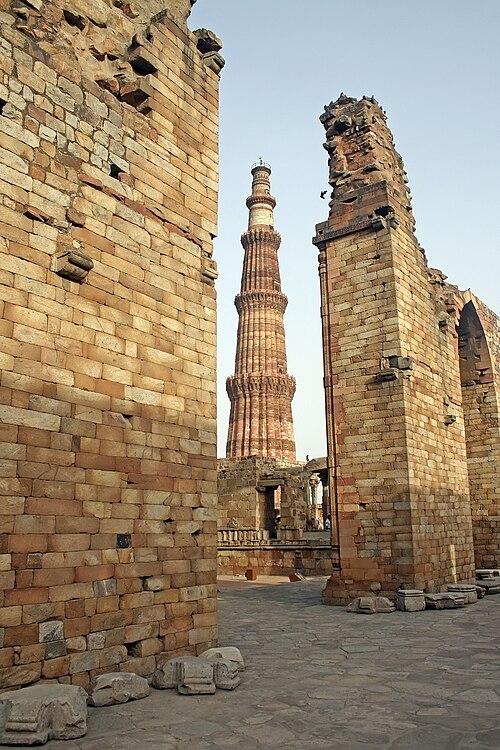 3
2 hours
UNESCO site in Mehrauli, south Delhi; the Iron Pillar is in the same complex
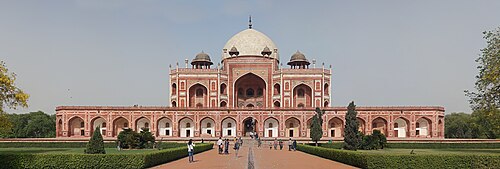 4
2 hours
The garden-tomb that inspired the Taj Mahal; lovely in late-afternoon light
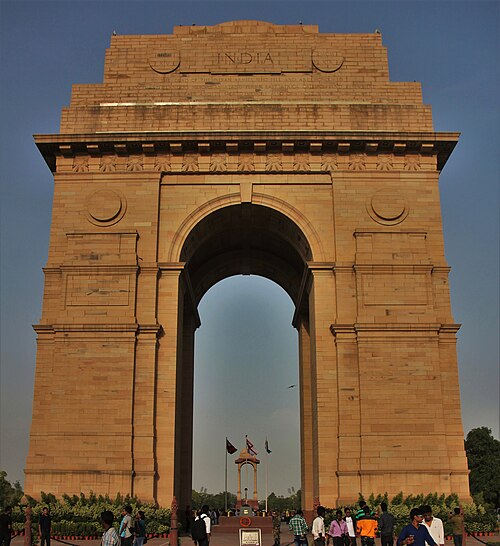 5
2 hours
Lit up at night; lawns fill with picnicking families in the evening
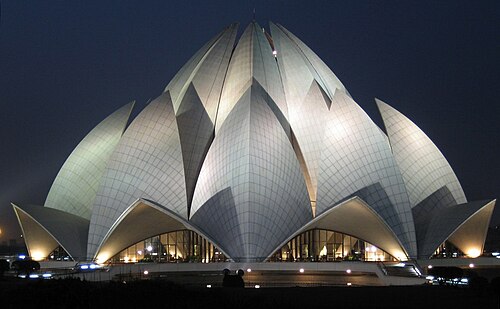 6
2 hours
Free entry; closed Mondays; silence inside the prayer hall
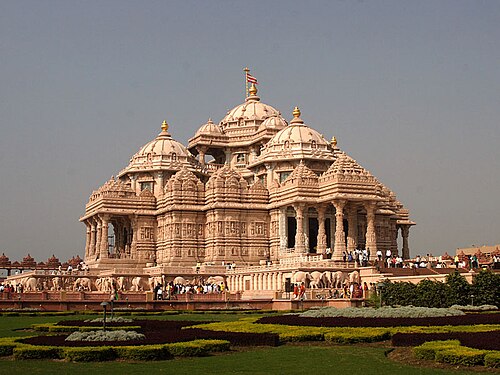 7
Half a day
No phones or cameras inside (lockers at the gate); evening water show; closed Mondays
 8
2 hours
Old Delhi's main bazaar; spice market at Khari Baoli, parathas in Paranthe Wali Gali
 9
2 hours
15th-century tombs among the lawns; near Khan Market for lunch
A guide picks the safe stalls: parathas, jalebi, chaat and kebabs around Chandni Chowk
From our research of travel guides; ticket prices from Tiqets when we found them. Photos: Wikimedia Commons, free licences.
How to see it
Grouped so you never cross the town twice. Your own trip moves these around your dates, opening days and budget.
Where to sleep
Where you sleep in Delhi decides how much you walk and how you spend your evenings. Your trip prices the stays for your dates.
Backpacker streets by New Delhi station, with the cheapest beds. Noisy, crowded and full of touts, but close to the metro.
The colonial ring of shops and restaurants at the centre, with metro links everywhere and upscale hotels nearby.
The Mughal core around Chandni Chowk and the Red Fort. Full of life, but the lanes are tight and very crowded.
Greener and well off, with guest houses, malls and restaurants. Calmer, but further from the old sights.
A busy market district with many budget hotels and a metro line. Good value for money.
What to eat

Crisp fried shells with potato, yoghurt, chutneys and spice. Delhi's favourite street snack.

Flaky flatbread stuffed with potato or paneer. One Chandni Chowk lane sells nothing else.

Tandoori chicken in a mild, creamy tomato and butter sauce, made famous in Old Delhi.

Spirals of fried batter soaked in sugar syrup, sold hot from big pans.
Dish photos: Wikimedia Commons, free licences.
When to go
Best months30° and overAverage daytime high
Pleasant days and the least rain.
4 mm of rain on average.
Up to 43° in the afternoon. July is the wettest month (217 mm).
Source: NASA POWER climatology.
Good to know
Official source: smartraveller.gov.au, checked 2026-10-26. Your plan checks your own passport when you build it.
The metro is the easiest way around. Tokens work only from the station where you bought them; a smart card skips queues.
Lots of shopping districts shut on Sunday and are packed on Saturday. Parks in the centre close at sunset.
People who say your hotel is full, a road is shut or you need a special ticket office want a commission.
Buy train tickets online from the official railway site or the tourist office inside stations, never from helpers outside.
Tap water is not safe. Drink sealed bottled water, and plenty of it in the summer heat.
Meters are often rigged, so agree the fare before you get in. A helpful driver will expect a tip.
Questions
Food and getting around come to about A$18 a person a day eating street food, A$29 with a balanced mix and A$56 eating mostly in restaurants, before your stay and activities.
The most pleasant months are November to February. November is the driest month (4 mm of rain) and July the wettest (217 mm); daytime highs run from 21 to 43 °C over the year.
Indian Tourist e-Visa, US$25. Checked on smartraveller.gov.au on 2026-10-26; rules change, so check again before you book.
Red Fort (Lal Qila), Jama Masjid, Qutb Minar, Humayun's Tomb, India Gate.
Tell us your total. We build the whole trip to fit it, every cost counted.
Header photo: Wikimedia Commons, free licence. Photo credits