 1
Toshogu Shrine
Half a day
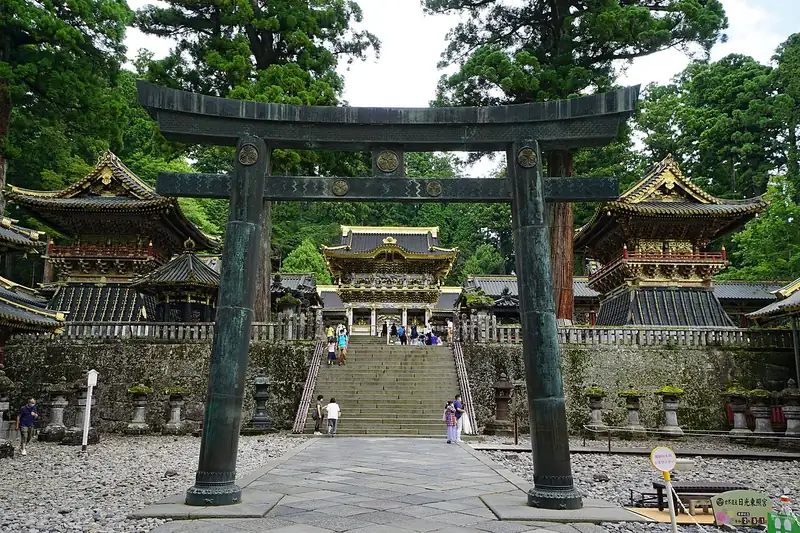
Nikkō mixes richly carved shrines with mountains, lakes and waterfalls, about two hours north of Tokyo.
Nikkō mixes richly carved shrines with mountains, lakes and waterfalls, about two hours north of Tokyo. The shrine and temple area is a World Heritage site, and it is busiest when tour buses arrive, so go early or late in the day. Stay at least one night to reach Lake Chuzenji and Kegon Falls by bus. Finish the day with a hot spring bath and a bowl of yuba soba.
Updated 20 Nov 2026. Words from our research of Wikivoyage and Wikipedia, written by Trip720; figures from our checked data, each with its source.
What it costs
Sources: japanactivity.com, traveltables.com, railtravelstation.com; in AUD at today's rate.
Not to miss
In Nikkō first, day trips last.
1Half a day
 2
2 hours
 3
Half a day
2 hours
 5
2 hours
2 hours
 7
2 hours
 8
2 hours
2 hours
From our research of travel guides; ticket prices from Tiqets when we found them. Photos: Wikimedia Commons, free licences.
How to see it
Grouped so you never cross the town twice. Your own trip moves these around your dates, opening days and budget.
Where to sleep
Where you sleep in Nikkō decides how much you walk and how you spend your evenings. Your trip prices the stays for your dates.
Ryokan and guesthouses near Tōshō-gū and the Shinkyō Bridge. Walk to the shrines early, before the buses.
Hostels and guesthouses by the two stations, about 2 km from the shrines. Easy trains, plainer streets.
Lakeside lodges an hour up by bus, near Kegon Falls. Cool in summer, but far from the shrines.
A hot spring village by Lake Yunoko, with ski slopes nearby. Quiet, and a long ride from town.
What to eat

Delicate tofu skin, Nikkō's best-known food, served fresh, rolled or in soup.

Buckwheat noodles, often topped with yuba in Nikkō.
Vegetables pickled in soy sauce, a popular local souvenir.

Grilled chicken skewers, an easy, low-cost dinner in town.
Dish photos: Wikimedia Commons, free licences.
When to go
Best monthsAverage daytime high
Pleasant days and the least rain.
61 mm of rain on average.
220 mm of rain on average.
Source: NASA POWER climatology.
Good to know
Official source: smartraveller.gov.au, checked 2026-10-01. Your plan checks your own passport when you build it.
The Nikkō passes cover trains and buses, but shrine and temple tickets are paid separately.
Tour buses crowd the shrines in the middle of the day. Early morning or late afternoon is calmer.
Tourist information centres lend umbrellas and hand out maps. September is the wettest month.
The Tamozawa Imperial Villa closes on Tuesdays, and the botanical garden shuts for winter.
Wild monkeys come into town in winter looking for food. Keep snacks out of sight and never feed them.
Kegon Falls can freeze and the mountains get heavy snow. Bring warm layers for the lake area.
Questions
Food and getting around come to about A$35 a person a day eating street food, A$45 with a balanced mix and A$63 eating mostly in restaurants, before your stay and activities.
The most pleasant months are May. February is the driest month (61 mm of rain) and July the wettest (220 mm); daytime highs run from 1 to 28 °C over the year.
No visa needed for a holiday. Checked on smartraveller.gov.au on 2026-10-01; rules change, so check again before you book.
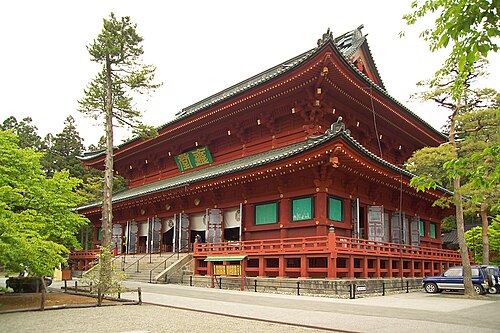
Toshogu Shrine, Kegon Falls, Lake Chuzenji, Shinkyo Bridge, Rinno-ji Temple.
Tell us your total. We build the whole trip to fit it, every cost counted.
Header photo: 663highland, CC BY-SA 4.0, Wikimedia Commons. Photo credits