 1
A-Bomb Dome
2 hours
The preserved shell of the 1915 exhibition hall beside the hypocenter; most moving at dusk
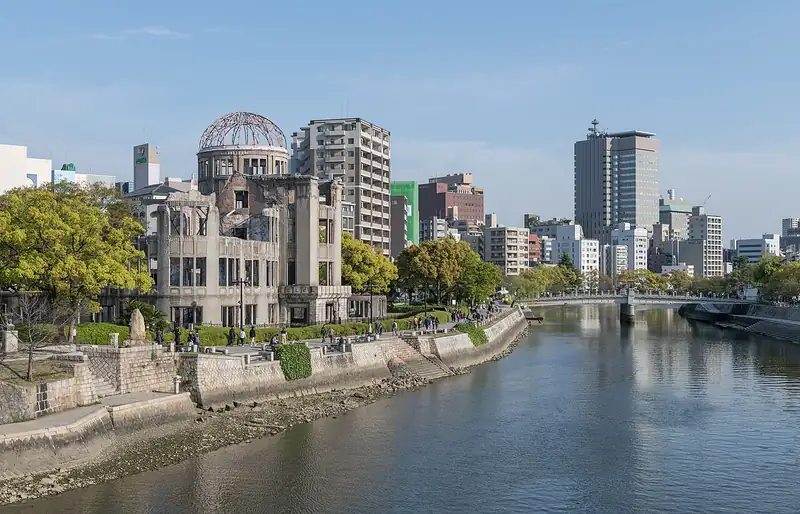
Hiroshima is a lively modern city of wide streets and rivers, rebuilt after the atomic bomb of 1945.
Hiroshima is a lively modern city of wide streets and rivers, rebuilt after the atomic bomb of 1945. Start at the Peace Memorial Park and its museum, which are moving and deserve a calm half day. Then take a tram and ferry to Miyajima island and its floating shrine gate. In the evening, eat okonomiyaki cooked on a hot plate in front of you.
Updated 20 Nov 2026. Words from our research of Wikivoyage and Wikipedia, written by Trip720; figures from our checked data, each with its source.
What it costs
Sources: livingcost.org, gobytaxi.com, globalpetrolprices.com; in AUD at today's rate.
Not to miss
In Hiroshima first, day trips last.
12 hours
The preserved shell of the 1915 exhibition hall beside the hypocenter; most moving at dusk
 2
2 hours
Rebuilt 'Carp Castle' in a moated park; the keep itself is closed for structural repairs in 2026 but the grounds are free to walk
 3
2 hours
Sadako Sasaki's memorial; bring folded paper cranes to add to the glass cases
 4
2 hours
Allow 1.5-2 hours; some exhibits are graphic. Open 08:30-18:00 most of the year
 5
2 hours
Compact 1620s stroll garden with a carp pond, bridges and tea houses near the Prefectural Art Museum; 09:00-17:00
2 hours
Layered noodle pancake cooked on the counter griddle in front of you; try Okonomimura, a building of 20-plus stalls near Hondori
2 hours
English tour at 10:00 on weekdays through the museum and assembly line at Mazda's headquarters; book ahead online
Half a day
Red-clad crowds at Mazda Zoom Zoom Stadium, 10 minutes' walk from Hiroshima Station; season March to October
A full day
Day trip: 15 km from Hiroshima
The floating torii gate: JR train to Miyajimaguchi then 10-minute ferry. Check tide times to see it both floating and on foot

Hillside temple with 500 rakan statues, spinning sutra wheels and a lantern cave, a short walk uphill from the shrine
From our research of travel guides; ticket prices from Tiqets when we found them. Photos: Wikimedia Commons, free licences.
How to see it
Grouped so you never cross the town twice. Your own trip moves these around your dates, opening days and budget.
Where to sleep
Where you sleep in Hiroshima decides how much you walk and how you spend your evenings. Your trip prices the stays for your dates.
Business hotels next to the bullet train. Easy arrivals and day trips; a tram ride to the Peace Park.
Hotels and inns near the Peace Park and the river. Calm and walkable, close to the museum.
Downtown bar and dining district near the Hondori shopping street. Great for evenings; noisy late, and some hostess bars overcharge.
What to eat

Layers of batter, cabbage, pork and noodles, topped with egg and sweet sauce.
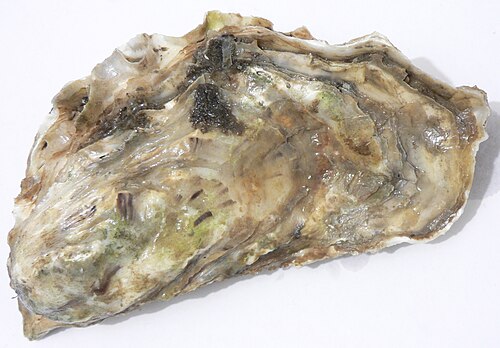
Hiroshima's famous shellfish, grilled or fried, at their best from autumn to early spring.

Maple-leaf cakes filled with red bean or custard. Buy them warm on Miyajima.

Rice wine from the brewery town of Saijo, a short train ride east.
Dish photos: Wikimedia Commons, free licences.
When to go
Best months30° and overAverage daytime high
Pleasant days and the least rain.
63 mm of rain on average.
Up to 32° in the afternoon. July is the wettest month (260 mm).
Source: NASA POWER climatology.
Good to know
Official source: smartraveller.gov.au, checked 2026-10-01. Your plan checks your own passport when you build it.
The Peace Memorial Museum is powerful and can be upsetting. Allow a few hours, then rest in Shukkeien garden or Chuo Park.
Many locals prefer not to talk about the bomb unless they raise it. Do not press survivors with questions.
Trams charge one flat fare, paid as you leave. A day pass can include the Miyajima ferry.
Several museums close on Mondays, and most close over New Year. The castle building is now closed; the grounds stay open.
Late summer and September can bring typhoons. October, November, April and May are the most pleasant months.
Some hostess bars in Nagarekawa overcharge visitors. Stick to places with clear menus and prices.
Questions
Food and getting around come to about A$30 a person a day eating street food, A$38 with a balanced mix and A$60 eating mostly in restaurants, before your stay and activities.
The most pleasant months are October and November. January is the driest month (63 mm of rain) and July the wettest (260 mm); daytime highs run from 8 to 32 °C over the year.
No visa needed for a holiday. Checked on smartraveller.gov.au on 2026-10-01; rules change, so check again before you book.
A-Bomb Dome, Hiroshima Castle, Children's Peace Monument, Peace Memorial Museum, Shukkeien Garden.
Tell us your total. We build the whole trip to fit it, every cost counted.
Header photo: DXR, CC BY-SA 4.0, Wikimedia Commons. Photo credits