 1
Umi-Jigoku (Sea Hell)
2 hours
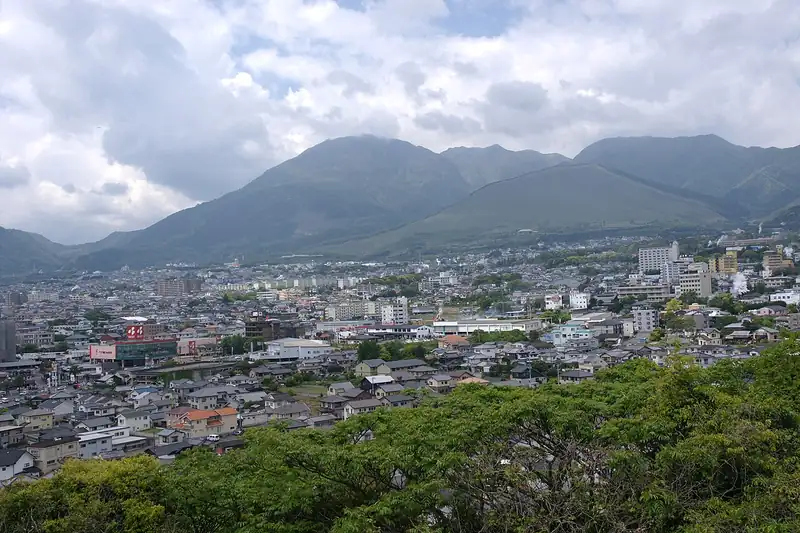
Beppu is a hot spring town where steam rises from the streets and hillsides.
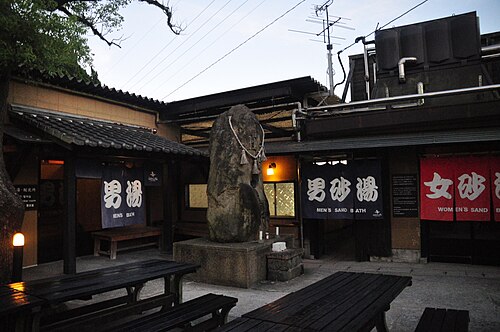
Beppu is a hot spring town where steam rises from the streets and hillsides. Come ready to bathe: there are well over a hundred public baths, from simple local ones to sand baths. Most of the famous hells, colourful pools you look at but do not enter, sit up in Kannawa, a bus ride from the station. In the evening, walk the steamy Kannawa lanes and soak again.
Updated 20 Nov 2026. Words from our research of Wikivoyage and Wikipedia, written by Trip720; figures from our checked data, each with its source.
What it costs
Estimated from price levels across Japan (World Bank), as our planner does until we check Beppu itself; in AUD at today's rate.
Not to miss
In Beppu first, day trips last.
12 hours
 2
2 hours
 3
2 hours
 4
2 hours
2 hours
 6
2 hours
 7
Half a day
 8
2 hours
2 hours
From our research of travel guides; ticket prices from Tiqets when we found them. Photos: Wikimedia Commons, free licences.
How to see it
Grouped so you never cross the town twice. Your own trip moves these around your dates, opening days and budget.
Where to sleep
Where you sleep in Beppu decides how much you walk and how you spend your evenings. Your trip prices the stays for your dates.
Small inns and hostels among the steam vents, next to the hells and many baths. Far from the station.
Guesthouses, shops and the bus hub near the sea. Easy arrivals; the hells are a bus ride away.
Hillside onsen hotels above town with bay views. Comfortable, but you need buses or taxis to go anywhere.
What to eat
Vegetables and seafood steamed in baskets over hot spring vents.

Chicken pieces fried in light tempura batter, a local favourite.

Chewy cold noodles in a clear broth, a Beppu take on a Korean dish.
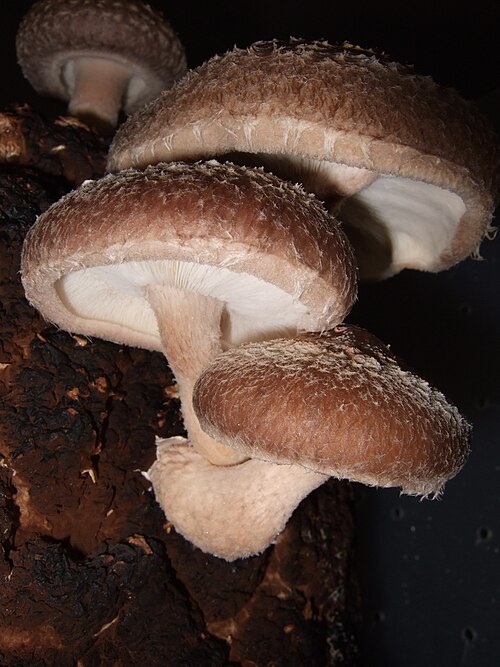
Mushrooms are a local speciality. Try them steamed over the springs.
Dish photos: Wikimedia Commons, free licences.
When to go
Best months30° and overAverage daytime high
Pleasant days and the least rain.
70 mm of rain on average.
Up to 31° in the afternoon. July is the wettest month (356 mm).
Source: NASA POWER climatology.
Good to know
Official source: smartraveller.gov.au, checked 2026-10-01. Your plan checks your own passport when you build it.
Scrub and rinse off all soap at the taps before entering any bath. Keep your small towel out of the water.
Many baths turn away people with tattoos. Ask first, or book a private bath you can use alone.
Buses link the station, Kannawa and the hills. Get a day pass at the tourist office inside the station.
One combined ticket covers the main hells. Allow a few hours, and check when the geyser next erupts.
Hot baths dry you out. Drink before you soak, get out in stages and keep soaks short.
A few streets near the station have red-light bars. Easy to avoid, but worth knowing when you pick a room.
Questions
Food and getting around come to about A$35 a person a day eating street food, A$55 with a balanced mix and A$64 eating mostly in restaurants, before your stay and activities. These are estimates from price levels across Japan; Beppu itself is not checked yet.
The most pleasant months are April, October and November. January is the driest month (70 mm of rain) and July the wettest (356 mm); daytime highs run from 9 to 31 °C over the year.
No visa needed for a holiday. Checked on smartraveller.gov.au on 2026-10-01; rules change, so check again before you book.
Umi-Jigoku (Sea Hell), Chinoike-Jigoku (Blood Pond Hell), Tatsumaki-Jigoku Geyser, Beppu Ropeway and Mount Tsurumi, Global Tower.
Tell us your total. We build the whole trip to fit it, every cost counted.
Header photo: 663highland, CC BY 2.5, Wikimedia Commons. Photo credits