 1
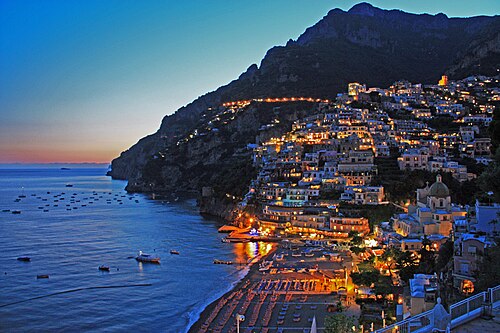
Positano
A full day
Arrive by ferry for the classic view; Spiaggia Grande is the main beach, Fornillo the quieter one
The Amalfi Coast is a string of steep towns between Sorrento and Salerno, with lemon gardens and colourful houses stacked above the sea.
The Amalfi Coast is a string of steep towns between Sorrento and Salerno, with lemon gardens and colourful houses stacked above the sea. The one thing to know: skip the car, as roads are narrow and parking is scarce. Ferries and buses link the towns, and boats are the calmer way to travel. Walk the Path of the Gods one morning, then spend the evening in a harbour town.
Updated 21 Nov 2026. Words from our research of Wikivoyage and Wikipedia, written by Trip720; figures from our checked data, each with its source.
What it costs
Sources: livingcost.org, gobytaxi.com, holidu.it; in AUD at today's rate.
Not to miss
In Amalfi Coast first, day trips last.
1A full day
Arrive by ferry for the classic view; Spiaggia Grande is the main beach, Fornillo the quieter one
 2
2 hours
At the top of the great staircase on Piazza Duomo; small entry fee for the cloister and crypt
 3
2 hours
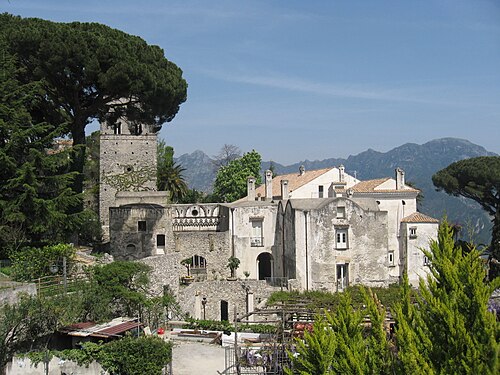
Terraced gardens on Ravello's main square; the Ravello Festival stage is built here each summer
 4
2 hours
10-minute walk from Ravello's square; gardens open daily from 09:00
 5
Half a day
Walk from Bomerano to Nocelle (bus from Amalfi), then 1,700 steps down to Positano
2 hours
Between Amalfi and Praiano; lift from the road or boat from Amalfi harbour
 7
2 hours
A 10-minute walk east of Amalfi; piazza opens straight onto the beach
 8
2 hours
Tiny beach in a cleft under the road bridge; steps down from the bus stop
Half a day
Home-style classes on terraces above the coast, ending with lunch and local wine
Morning or afternoon departures; passes grottos and towers with a two-hour stop in Positano
From our research of travel guides; ticket prices from Tiqets when we found them. Photos: Wikimedia Commons, free licences.
How to see it
Grouped so you never cross the town twice. Your own trip moves these around your dates, opening days and budget.
Where to sleep
Where you sleep in Amalfi Coast decides how much you walk and how you spend your evenings. Your trip prices the stays for your dates.
Pastel houses tumbling to a beach, close to the Path of the Gods. Steep, stylish and expensive.
The main ferry and bus hub, with the cathedral. Handy for day trips; crowded by day.
A quiet hilltop town of gardens and villas above Amalfi. Calm evenings, but a bus ride to the sea.
Between Positano and Amalfi, with churches and viewpoints. Quieter, and good for walkers.
Eastern beach towns, with a Roman villa in Minori. More relaxed, and further from Positano.
What to eat
Lemon liqueur made all along the coast, often at home.

Thick fresh ribbon pasta, usually tossed with seafood.

Amber anchovy sauce from the Salerno area, stirred into spaghetti.

Crisp shell-shaped pastry filled with ricotta or semolina cream.
Dish photos: Wikimedia Commons, free licences.
When to go
Best monthsAverage daytime high
Pleasant days and the least rain.
21 mm of rain on average.
131 mm of rain on average.
Source: NASA POWER climatology.
Good to know
Official source: smartraveller.gov.au, checked 2026-10-01. Your plan checks your own passport when you build it.
Local bus tickets are sold at bars and newsagents, not on board. Buses are slow and often full.
Boats link Amalfi, Positano, Salerno and Capri, mostly in the warm months. Buy tickets at the dock.
Roads are narrow and parking scarce. In peak season, number plate rules limit cars on the coast road by date.
Pickpockets work the crowds. Keep phones and wallets on you, not in open bags.
About seven kilometres from Bomerano to Nocelle, with many steps. Start early and carry water.
Traffic and narrow bends make this a poor place to learn. Hire one only if you ride often.
Questions
Food and getting around come to about A$60 a person a day eating street food, A$75 with a balanced mix and A$116 eating mostly in restaurants, before your stay and activities.
The most pleasant months are April to October. July is the driest month (21 mm of rain) and November the wettest (131 mm); daytime highs run from 13 to 26 °C over the year.
No visa needed for a holiday. Checked on smartraveller.gov.au on 2026-10-01; rules change, so check again before you book.
Positano, Amalfi Cathedral and the Cloister of Paradise, Villa Rufolo, Ravello, Villa Cimbrone and the Terrace of Infinity, Path of the Gods (Sentiero degli Dei).
Tell us your total. We build the whole trip to fit it, every cost counted.
Header photo: Wikimedia Commons, free licence. Photo credits