 1
Naples Cathedral and the Chapel of San Gennaro
2 hours
Via Duomo; the Treasure of San Gennaro museum is next door
Naples is loud, crowded and full of life, with one of Europe's largest historic centres and the bay and Vesuvius as a backdrop.
Naples is loud, crowded and full of life, with one of Europe's largest historic centres and the bay and Vesuvius as a backdrop. Watch your bag, take your time and let the old streets surprise you. It is the birthplace of pizza, and the base for Pompeii, Herculaneum and the Amalfi Coast. In the evening, eat pizza in the old centre, then walk the seafront.
Updated 20 Nov 2026. Words from our research of Wikivoyage and Wikipedia, written by Trip720; figures from our checked data, each with its source.
What it costs
Estimated from price levels across Italy (World Bank), as our planner does until we check Naples itself; in AUD at today's rate.
Not to miss
In Naples first, day trips last.
12 hours
Via Duomo; the Treasure of San Gennaro museum is next door
 2
2 hours
The city's grand square, with Caffè Gambrinus and the Galleria Umberto I a few steps away
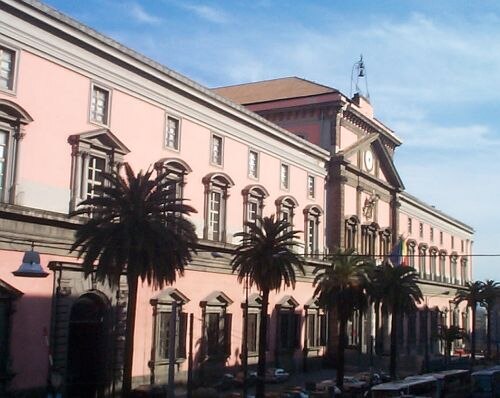 3
Half a day
The mosaics, frescoes and the Farnese sculptures from Pompeii and Herculaneum; closed Tuesdays
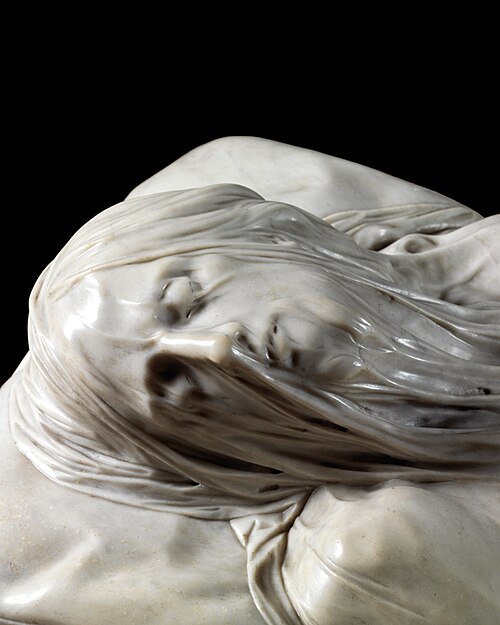 4
2 hours
Small chapel in the historic centre; timed tickets sell out, so book online a few days ahead
 5
2 hours
Free to walk the ramparts; the Borgo Marinari below has seafood restaurants on the water
 6
Half a day
Take the Montesanto or Centrale funicular up to Vomero; the terrace looks over the whole bay to Vesuvius
 7
Half a day
Shuttle bus from Ercolano or Pompei to the car park, then a 30-minute walk up the gravel path to the rim; book the national park ticket online
2 hours
Guided descent into Greek quarries, Roman aqueducts and wartime shelters 40 m below Via dei Tribunali; narrow passages
2 hours
Da Michele, Sorbillo or Di Matteo in the centro storico; expect a queue and a ticket number at the door
Hydrofoils from Molo Beverello take about 50 minutes; rowboat into the Blue Grotto only in calm seas
From our research of travel guides; ticket prices from Tiqets when we found them. Photos: Wikimedia Commons, free licences.
How to see it
Grouped so you never cross the town twice. Your own trip moves these around your dates, opening days and budget.
Where to sleep
Where you sleep in Naples decides how much you walk and how you spend your evenings. Your trip prices the stays for your dates.
The old centre of narrow lanes, churches and pizzerias. Full of atmosphere; crowded, noisy and easy to get lost in.
Seafront hotels on Via Partenope facing the bay and Castel dell'Ovo. Views and calm; the dearest beds.
Smart shopping area by the sea, near the funicular to Vomero. Elegant and pleasant; dearer restaurants.
By Central station, with the cheapest beds and trains to Pompeii. Very handy; rough around the square at night.
Hilltop residential area with bay views, reached by funicular. Quieter and greener; you go up and down a lot.
What to eat

Tomato, mozzarella and basil on a soft, thin base. Eat it with knife and fork.

Crisp shell-shaped pastry with sweet ricotta and citrus inside. Best warm.

Soft little cake soaked in rum syrup.

Spaghetti with clams, garlic, olive oil and parsley. A classic of the bay.
Dish photos: Wikimedia Commons, free licences.
When to go
Best months30° and overAverage daytime high
Pleasant days and the least rain.
24 mm of rain on average.
Up to 33° in the afternoon. November is the wettest month (116 mm).
Source: NASA POWER climatology.
Good to know
Official source: smartraveller.gov.au, checked 2026-10-01. Your plan checks your own passport when you build it.
Pickpockets and bag snatchers work crowds and stations. Carry a cross-body bag and leave flashy jewellery at the hotel.
Tickets are sold at tobacconists, kiosks or the app, not on board. On the metro you can tap a card, and tap out.
Use white taxis with a meter and the city crest. Agree a fixed fare or the meter before you set off.
The National Archaeological Museum, home of the Pompeii finds, is closed on Tuesdays.
The Spanish Quarter and Sanità are fine by day but best avoided after dark. Do not linger in Piazza Garibaldi.
Take the Circumvesuviana train to Pompei Scavi. Buy entry online in busy months to skip long queues.
Questions
Food and getting around come to about A$59 a person a day eating street food, A$98 with a balanced mix and A$117 eating mostly in restaurants, before your stay and activities. These are estimates from price levels across Italy; Naples itself is not checked yet.
The most pleasant months are March to June, September and October. August is the driest month (24 mm of rain) and November the wettest (116 mm); daytime highs run from 12 to 33 °C over the year.
No visa needed for a holiday. Checked on smartraveller.gov.au on 2026-10-01; rules change, so check again before you book.
Naples Cathedral and the Chapel of San Gennaro, Piazza del Plebiscito and the Royal Palace, Naples National Archaeological Museum, Cappella Sansevero and the Veiled Christ, Castel dell'Ovo.
Tell us your total. We build the whole trip to fit it, every cost counted.
Header photo: Wikimedia Commons, free licence. Photo credits