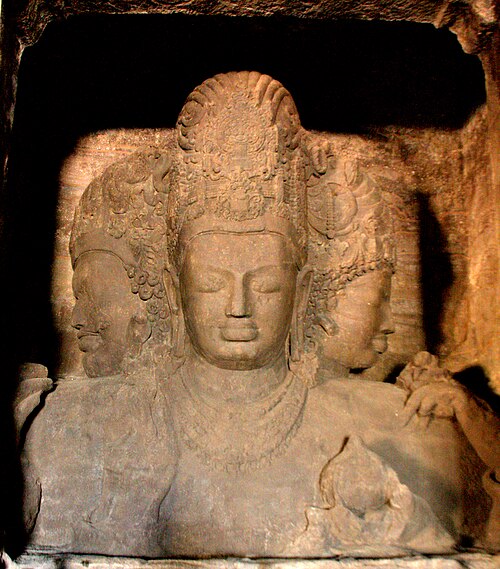
 1
Elephanta Caves
Half a day
UNESCO rock-cut Shiva temples; hour-long ferry from the Gateway, last boat back 5:30pm, closed Mondays
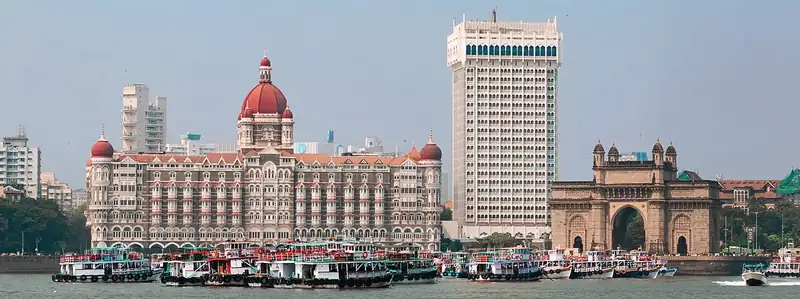
Mumbai is India's biggest city and its business capital, built on seven islands that were joined into one.
Mumbai is India's biggest city and its business capital, built on seven islands that were joined into one. Most visitors stay in the south, around Colaba and Fort, where Victorian and Art Deco buildings line the streets. Try to avoid the monsoon from June to September, when rain floods roads and harbour boats stop. In the evening, join the crowds on Chowpatty beach for street snacks by the sea.
Updated 20 Nov 2026. Words from our research of Wikivoyage and Wikipedia, written by Trip720; figures from our checked data, each with its source.
What it costs
Sources: numbeo.com, businesstoday.in, freepressjournal.in; in GBP at today's rate.
Not to miss
In Mumbai first, day trips last.
1Half a day
UNESCO rock-cut Shiva temples; hour-long ferry from the Gateway, last boat back 5:30pm, closed Mondays
 2
2 hours
Walk the Art Deco seafront at sunset, then bhel puri at Chowpatty beach; the Queen's Necklace lights from Malabar Hill
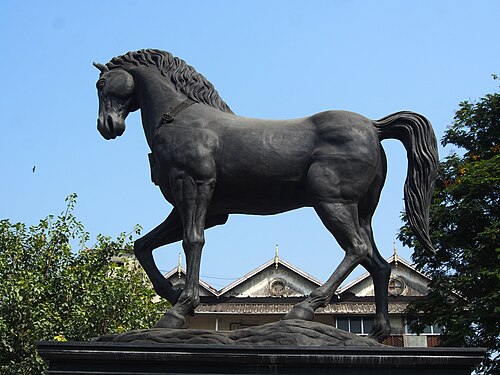 3
2 hours
Galleries, the blue Keneseth Eliyahoo synagogue, cafes and the David Sassoon Library; arts festival each February
 4
2 hours
Reached by a causeway that floods at high tide; check tide times, cover shoulders and knees
 5
2 hours
Victorian Gothic railway cathedral still handling millions of commuters a day; heritage gallery inside, lit up at night
 6
2 hours
Colaba waterfront arch facing the Taj Mahal Palace hotel; busiest at sunset, ferries to Elephanta leave from here
 7
2 hours
Victorian market hall of 1869 ten minutes north of CSMT: fruit, spices, dry goods and a Lockwood Kipling frieze
 8
2 hours
View from the flyover by Mahalaxmi station in the morning when the washers are at work; small fee for a walk inside
2 hours
Two-hour architect-led walks through the Gothic and Art Deco core; several operators run daily morning walks
Small-group walks run by community organisations show the recycling, pottery and leather workshops; no photography of residents
From our research of travel guides; ticket prices from Tiqets when we found them. Photos: Wikimedia Commons, free licences.
How to see it
Grouped so you never cross the town twice. Your own trip moves these around your dates, opening days and budget.
Where to sleep
Where you sleep in Mumbai decides how much you walk and how you spend your evenings. Your trip prices the stays for your dates.
The main traveller base near the Gateway of India, with guest houses, bars and cafes. Busy, and among India's dearest areas.
The old business district of Gothic and Art Deco buildings, close to the main stations and sights.
Quieter western suburbs with seafront promenades, cafes and a beach. Closer to the airport, far from the old sights.
What to eat

A spiced, fried potato patty in a soft bun with chutney. Mumbai's everyday street snack.

Mashed spiced vegetables topped with butter, served hot with soft bread rolls.

Puffed rice, spices and chutneys, eaten on the beach at dusk. Ask for mild or spicy.

A spicy curry of sprouted beans with crunchy toppings, eaten with buttered bread rolls.
Dish photos: Wikimedia Commons, free licences.
When to go
Driest months30° and overAverage daytime high
Warm all year; these months have the least rain.
0 mm of rain on average.
Up to 39° in the afternoon. July is the wettest month (834 mm).
Source: NASA POWER climatology.
Good to know
Official source: gov.uk, checked 2026-10-26. Your plan checks your own passport when you build it.
Suburban trains carry millions a day and are packed at commuter peaks. Never ride in or hang from the open doors.
A one-day tourist ticket gives first-class travel on all three suburban lines. Smart cards also save queueing.
Taxis must use the meter. Some drivers add the night rate in daytime, but it only applies to rides starting after midnight.
Most visitors drink bottled water. Check the cap is sealed, as refilled bottles are sometimes sold as new.
The water is polluted, and monsoon currents have drowned swimmers. Enjoy the beaches from the sand.
City beaches are not places for swimwear, especially bikinis. Wear light everyday clothes instead.
Questions
Food and getting around come to about £12 a person a day eating street food, £18 with a balanced mix and £35 eating mostly in restaurants, before your stay and activities.
The driest months are January, February and April. January is the driest month (0 mm of rain) and July the wettest (834 mm); daytime highs run from 29 to 39 °C over the year.
Indian e-visa (or regular paper visa) via the Indian Bureau of Immigration, US$25. Checked on gov.uk on 2026-10-26; rules change, so check again before you book.
Elephanta Caves, Marine Drive and Girgaon Chowpatty, Kala Ghoda art district, Haji Ali Dargah, Chhatrapati Shivaji Maharaj Terminus.
Tell us your total. We build the whole trip to fit it, every cost counted.
Header photo: iMahesh, CC BY-SA 4.0, Wikimedia Commons. Photo credits