 1
Okunoin Cemetery and Kobo Daishi Mausoleum
Half a day
Walk the 2 km cedar-lined path, quietest early or late in the day
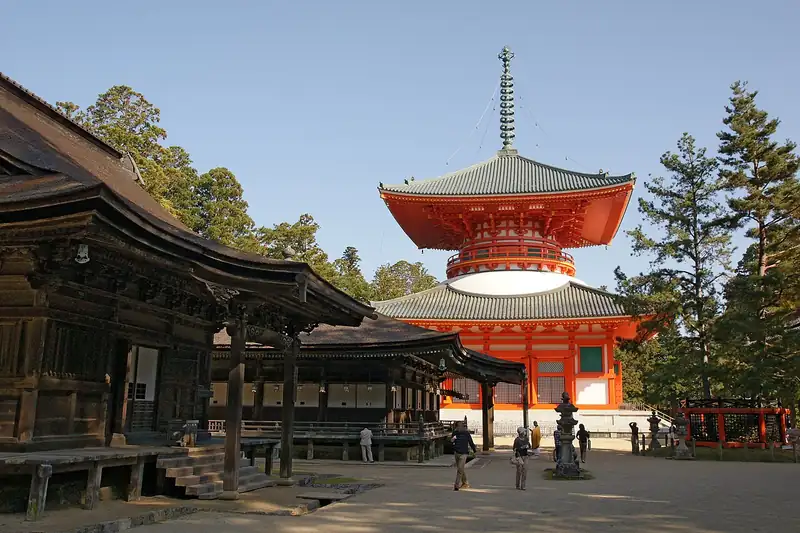
Mount Kōya is a temple town in a high valley south of Osaka, the centre of Shingon Buddhism for over a thousand years.
Mount Kōya is a temple town in a high valley south of Osaka, the centre of Shingon Buddhism for over a thousand years. Around half of its temples take overnight guests, serve vegetarian meals and invite you to morning prayers. Walk through Okunoin, a vast, mossy cemetery, early or late in the day. Most sights close in the late afternoon, so plan your day around that.
Updated 20 Nov 2026. Words from our research of Wikivoyage and Wikipedia, written by Trip720; figures from our checked data, each with its source.
What it costs
Sources: livingcost.org, gobytaxi.com; in GBP at today's rate.
Not to miss
In Kōya first, day trips last.
1Half a day
Walk the 2 km cedar-lined path, quietest early or late in the day
 2
2 hours
Includes the Konpon Daito pagoda
 3
2 hours
Headquarters of the Shingon sect with Japan's largest stone garden
2 hours
Over 10,000 lanterns kept eternally lit
 5
2 hours
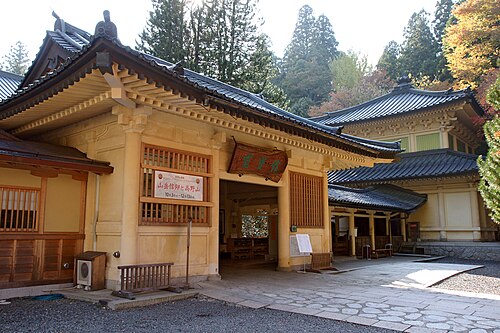
Treasures of Mount Koya
 6
2 hours
A full day
Overnight in a temple with vegetarian meals and morning prayers
2 hours
Offered at most temples; some start as early as 5 am
2 hours
Buddhist monk cooking, served at all temple lodgings
22 km ancient pilgrim route from Kudoyama, a long day
From our research of travel guides; ticket prices from Tiqets when we found them. Photos: Wikimedia Commons, free licences.
How to see it
Grouped so you never cross the town twice. Your own trip moves these around your dates, opening days and budget.
Where to sleep
Where you sleep in Kōya decides how much you walk and how you spend your evenings. Your trip prices the stays for your dates.
Stay at one of the temples taking guests. Vegetarian dinner and breakfast, morning prayers, and an early curfew.
Temples at the east end, close to the cemetery for an early or evening walk. Further from the great pagoda.
The west end, by the great pagoda and the head temple. Closest to the main halls and museum.
What to eat
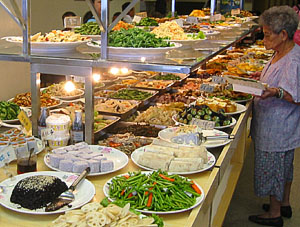
Buddhist vegetarian temple food, served in many small dishes at temple lodgings.
Silky sesame 'tofu' set with kudzu starch, often served with wasabi.

Freeze-dried tofu, soaked and simmered in a light broth. A Kōya speciality.

Buckwheat noodles topped with wild mountain vegetables.
Dish photos: Wikimedia Commons, free licences.
When to go
Driest monthsAverage daytime high
Warm all year; these months have the least rain.
77 mm of rain on average.
305 mm of rain on average.
Source: NASA POWER climatology.
Good to know
Temple lodgings fill up in busy seasons. Book ahead, and note the gate curfew and fixed bath times.
Bow as you cross into Okunoin and again at the last bridge. Past it, no food, drink or photos.
A two-day pass from Osaka covers the train, cable car and local buses, with some sight discounts.
Temples hold chanting at dawn, and some expect guests to attend. Go to bed early and dress warmly.
The town is several degrees cooler than Osaka, and winter brings snow. Wooden temples can be chilly at night.
Many restaurants open for lunch or dinner, not both. Eat at your temple if you arrive late.
Questions
Food and getting around come to about £17 a person a day eating street food, £23 with a balanced mix and £27 eating mostly in restaurants, before your stay and activities.
The driest months are December to February. January is the driest month (77 mm of rain) and September the wettest (305 mm); daytime highs run from 3 to 26 °C over the year.
Okunoin Cemetery and Kobo Daishi Mausoleum, Danjo-garan temple complex, Kongobu-ji Temple, Torodo Hall of Lanterns, Reihokan Museum.
Tell us your total. We build the whole trip to fit it, every cost counted.
Header photo: 663highland, CC BY 2.5, Wikimedia Commons. Photo credits