 1
Hagenbecks Tierpark
Half a day
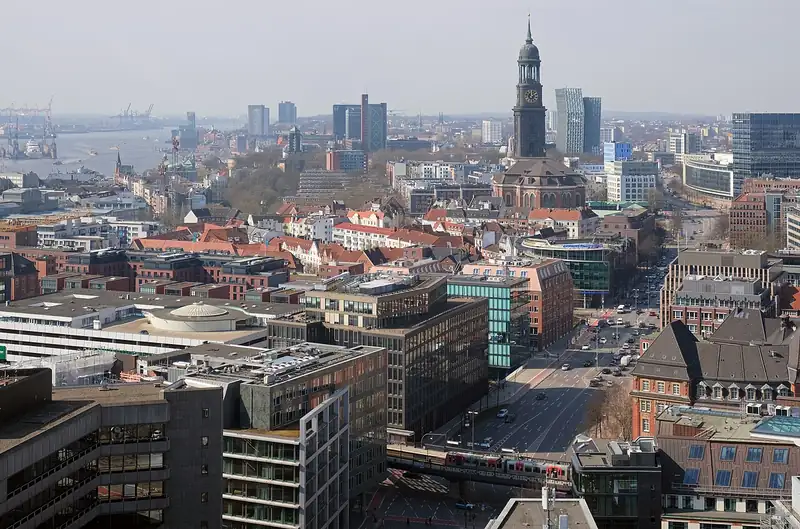
Hamburg is Germany's second city and a port, with canals, bridges and warehouses on the water.
Hamburg is Germany's second city and a port, with canals, bridges and warehouses on the water. The centre is easy to walk, but the rest of the city is spread out. Take a ferry along the Elbe, spend an evening around the Reeperbahn or the Altona area, and expect rain at any time of year. One ticket system covers trains, buses and ferries.
Updated 20 Nov 2026. Words from our research of Wikivoyage and Wikipedia, written by Trip720; figures from our checked data, each with its source.
What it costs
Sources: livingcost.org, en.wikivoyage.org, taxirechner.de; in GBP at today's rate.
Not to miss
In Hamburg first, day trips last.
1Half a day
 2
2 hours
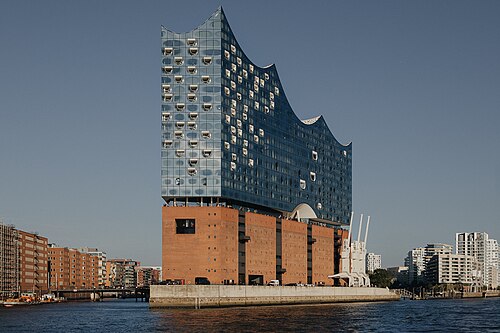
Free viewing platform with harbour views, best at sunset
 3
2 hours
 4
2 hours
 5
2 hours
 6
Half a day
 7
2 hours
Sunday mornings only
 8
2 hours
Free water light concerts in the evening, May to September
2 hours
Part of the public transport system
From our research of travel guides; ticket prices from Tiqets when we found them. Photos: Wikimedia Commons, free licences.
How to see it
Grouped so you never cross the town twice. Your own trip moves these around your dates, opening days and budget.
Where to sleep
Where you sleep in Hamburg decides how much you walk and how you spend your evenings. Your trip prices the stays for your dates.
City hall, shopping and the old warehouses. Walkable and well connected, with many smarter hotels.
Home to the Reeperbahn and the harbour front. Lots of fun, but noisy at night.
Cafes and a lively street scene near the main station. Central and well connected.
Green, around the Alster lake. Calm and residential, but further from the harbour.
What to eat

A hearty mash of meat, potato and beetroot, found in many Hamburg stews.

A roll filled with fish, sold as street food by the harbour.

A flaky, buttery pastry with cinnamon and sugar. Found mostly here.

A red berry pudding served with cream or vanilla sauce.
Dish photos: Wikimedia Commons, free licences.
When to go
Best monthsAverage daytime high
Pleasant days and the least rain.
40 mm of rain on average.
84 mm of rain on average.
Source: NASA POWER climatology.
Good to know
Official source: gov.uk, checked 2026-10-01. Your plan checks your own passport when you build it.
There are no gates, but inspectors check at random and fines are high. Buy bus tickets before boarding.
It is part of the normal ticket and gives a cheap harbour view.
Trains run all night on Friday and Saturday. Other nights use night buses from the town hall square.
The water is poor and the currents have caused deaths. Big ships also make sudden waves.
The main station is very crowded at rush hour. Doors on trains often need pushing open.
Rain falls all year, and winters are cold and grey.
Questions
Food and getting around come to about £37 a person a day eating street food, £58 with a balanced mix and £71 eating mostly in restaurants, before your stay and activities.
The most pleasant months are May to September. April is the driest month (40 mm of rain) and July the wettest (84 mm); daytime highs run from 3 to 23 °C over the year.
No visa needed for a holiday. Checked on gov.uk on 2026-10-01; rules change, so check again before you book.
Hagenbecks Tierpark, Elbphilharmonie Plaza, Speicherstadt, Hamburg Rathaus (Town Hall), Landungsbrücken.
Tell us your total. We build the whole trip to fit it, every cost counted.
Header photo: kallerna, CC BY-SA 4.0, Wikimedia Commons. Photo credits