 1
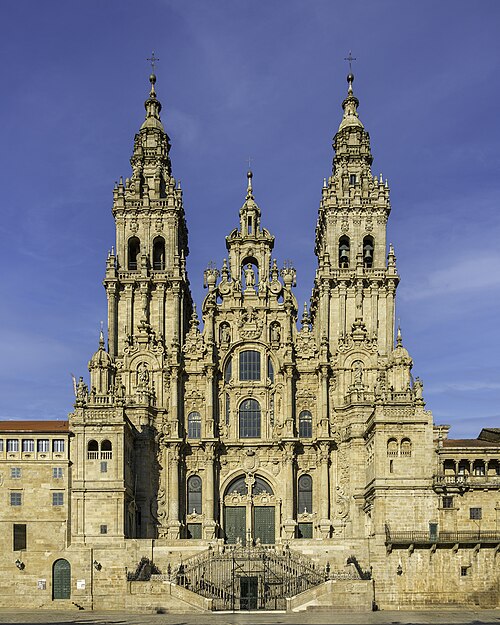
Santiago de Compostela Cathedral
2 hours
Santiago de Compostela is the end of the Camino, the pilgrim routes that more than 200,000 people walk each year.
Santiago de Compostela is the end of the Camino, the pilgrim routes that more than 200,000 people walk each year. The granite old town is a UNESCO site, and everything centres on the cathedral and the big square in front of it. Eat octopus and drink a cold white wine in the old streets. Pack a rain jacket, because it rains a lot.
Updated 20 Nov 2026. Words from our research of Wikivoyage and Wikipedia, written by Trip720; figures from our checked data, each with its source.
What it costs
Sources: livingcost.org, en.wikivoyage.org, publico.es; in AUD at today's rate.
Not to miss
In Santiago de Compostela first, day trips last.
12 hours
 2
2 hours
 3
2 hours
 4
2 hours
 5
2 hours
2 hours
2 hours
 8
2 hours
A full day
From our research of travel guides; ticket prices from Tiqets when we found them. Photos: Wikimedia Commons, free licences.
How to see it
Grouped so you never cross the town twice. Your own trip moves these around your dates, opening days and budget.
Where to sleep
Where you sleep in Santiago de Compostela decides how much you walk and how you spend your evenings. Your trip prices the stays for your dates.
Old centre around Rua do Vilar and Rua Nova. Walk to everything; some places book up months ahead.
Handy halfway between the railway and bus stations and the cathedral. Plainer, but easy.
A village by the airport with a few small hotels. Good for an early flight, far from the sights.
What to eat

Octopus, the star of Galician seafood.
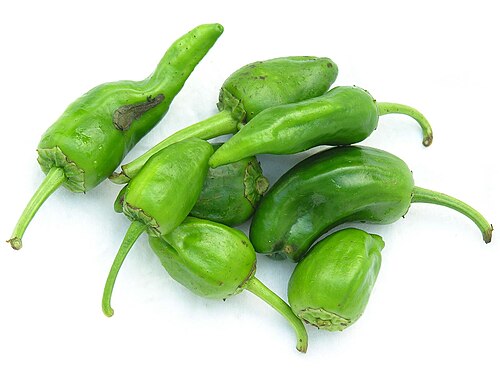
Small green peppers; most are mild but a few are hot.
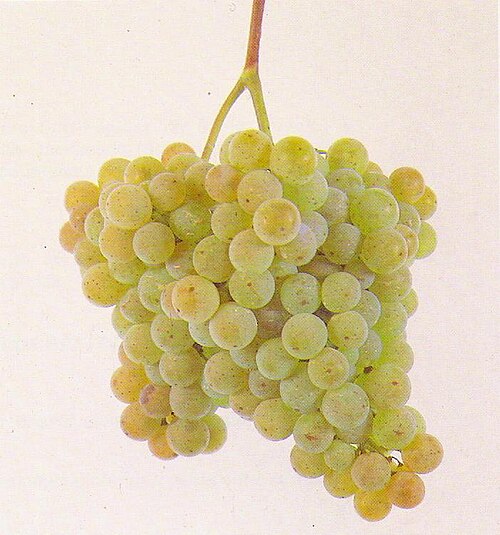
A fresh Galician white wine that suits seafood.
A flaming drink of orujo with sugar, fruit and coffee beans.
Dish photos: Wikimedia Commons, free licences.
When to go
Best monthsAverage daytime high
Pleasant days and the least rain.
34 mm of rain on average.
167 mm of rain on average.
Source: NASA POWER climatology.
Good to know
Official source: smartraveller.gov.au, checked 2026-10-01. Your plan checks your own passport when you build it.
Rain is frequent from September to June, and winters are especially wet.
The Pilgrim Reception Office issues the certificate for finishing the Camino.
The Festival of St James peaks on 24 July. The city is very crowded, and many places close on 25 July.
Bus 6A links the airport and the centre. Bus 5 runs from the bus station.
You can drink the tap water, so carry a bottle.
Galician and Spanish are both official, and place names may appear in Galician.
Questions
Food and getting around come to about A$41 a person a day eating street food, A$80 with a balanced mix and A$108 eating mostly in restaurants, before your stay and activities.
The most pleasant months are April to September. July is the driest month (34 mm of rain) and November the wettest (167 mm); daytime highs run from 11 to 24 °C over the year.
No visa needed for a holiday. Checked on smartraveller.gov.au on 2026-10-01; rules change, so check again before you book.
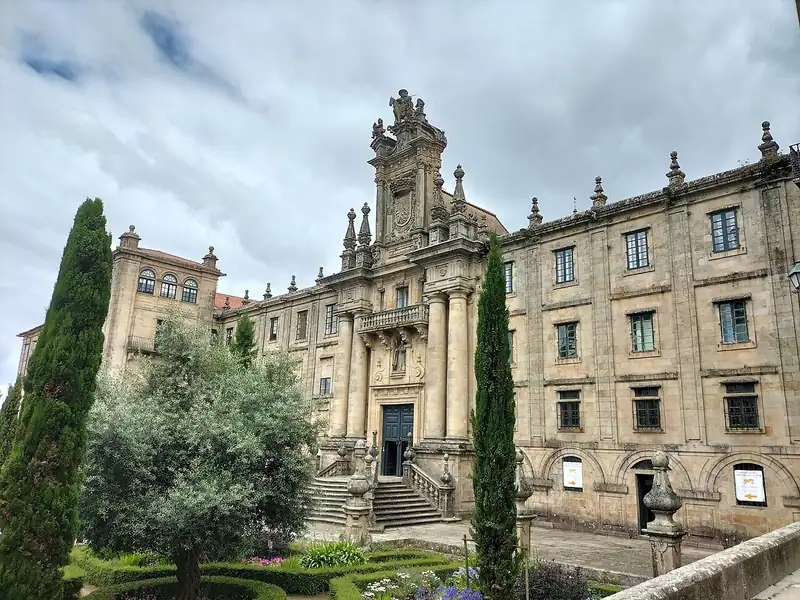
Santiago de Compostela Cathedral, Praza do Obradoiro, Mercado de Abastos, Monasterio de San Martino Pinario, Museum of the Galician People.
Tell us your total. We build the whole trip to fit it, every cost counted.
Header photo: Vanbasten 23, CC BY-SA 3.0, Wikimedia Commons. Photo credits