 1
Jackson Square and St. Louis Cathedral
2 hours
Heart of the French Quarter; street musicians, artists and the cathedral open for self-guided visits until 4pm
New Orleans moves to its own beat, with live music most nights and food unlike anywhere else in the United States.
New Orleans moves to its own beat, with live music most nights and food unlike anywhere else in the United States. Most first visits centre on the French Quarter, but the St Charles streetcar takes you out to the leafy streets of Uptown. Book early for Mardi Gras or Jazz Fest, when rooms run out. In the evening, skip the Bourbon Street crush and find the music clubs on Frenchmen Street.
Updated 20 Nov 2026. Words from our research of Wikivoyage and Wikipedia, written by Trip720; figures from our checked data, each with its source.
What it costs
Estimated from price levels across United States (World Bank), as our planner does until we check New Orleans itself; in AUD at today's rate.
Not to miss
In New Orleans first, day trips last.
12 hours
Heart of the French Quarter; street musicians, artists and the cathedral open for self-guided visits until 4pm
 2
Half a day
A dozen clubs in two blocks of the Marigny: the Spotted Cat, d.b.a., Snug Harbor; music from early evening
 3
2 hours
Neon, hurricanes and balconies; a quick look is enough for most, then head to Royal or Frenchmen
 4
Half a day
Ride the green streetcar from Canal Street, get off at Washington Avenue and walk the mansion streets and Magazine Street
 5
Half a day
In the Warehouse District; Road to Berlin and Road to Tokyo galleries, plus the Beyond All Boundaries film
 6
2 hours
Open-air stalls along Decatur and N Peters Street from Cafe du Monde to the Old Mint; busiest at weekends
2 hours
Cafe au lait and three sugared beignets opposite Jackson Square; shortest queues early morning
2 hours
45-minute acoustic sets from 5pm nightly; buy tickets online or queue early. No bar
2 hours
Two-hour paddlewheel cruise with a live jazz trio; departs from Toulouse Street Wharf behind Jax Brewery
Alligators, cypress and Spanish moss on the Barataria or Honey Island swamps; hotel pick-up available
From our research of travel guides; ticket prices from Tiqets when we found them. Photos: Wikimedia Commons, free licences.
How to see it
Grouped so you never cross the town twice. Your own trip moves these around your dates, opening days and budget.
Where to sleep
Where you sleep in New Orleans decides how much you walk and how you spend your evenings. Your trip prices the stays for your dates.
The historic heart, with music clubs and old balconies. You walk to most sights; Bourbon Street gets loud and crowded at night.
High-rise hotels next to the Quarter, near museums and the Superdome. Handy for streetcars, with less character on the streets.
Smaller guesthouses beside the Quarter, with the Frenchmen Street music on your doorstep. A more local feel than Bourbon Street.
Leafy old streets along the St Charles streetcar, with good local restaurants. Calmer, but a ride from the Quarter.
Small hotels and guesthouses away from the main crowds. You will rely more on streetcars or a car.
What to eat
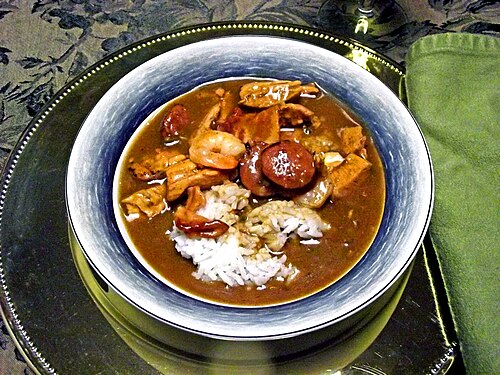
A rich stew of seafood or meat, thickened with roux, okra or filé.

Rice cooked with meat or seafood, vegetables and Creole spices.
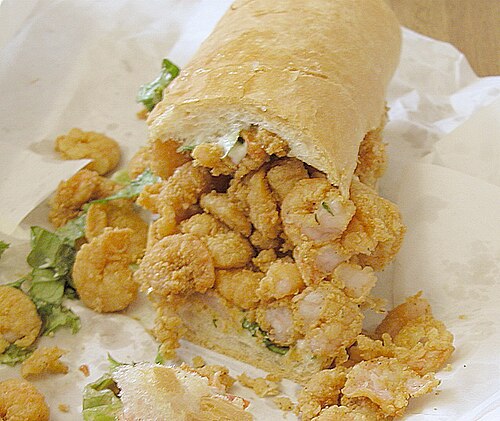
A long French bread sandwich, often filled with fried shrimp, oysters or roast beef.

Square fried doughnuts under a pile of powdered sugar, best with chicory coffee.
Dish photos: Wikimedia Commons, free licences.
When to go
Best months30° and overAverage daytime high
Pleasant days and the least rain.
77 mm of rain on average.
Up to 31° in the afternoon. August is the wettest month (190 mm).
Source: NASA POWER climatology.
Good to know
Official source: smartraveller.gov.au, checked 2026-10-26. Your plan checks your own passport when you build it.
You may carry a drink in the street, but only in a plastic cup. Bottles and cans are not allowed, and police watch.
Streetcars and buses share one pass, sold on the Le Pass app. It lasts 24 hours from first use.
Street hustlers bet they can tell where you got your shoes, then demand money. Smile and keep walking.
Buskers live on tips. If you stop to watch a band, leave something in the case.
Storms are possible from June to November, peaking in September. Check forecasts, and leave early if one is coming.
The grandest old restaurants may turn away shorts and jeans. Pack one smarter outfit.
Questions
Food and getting around come to about A$71 a person a day eating street food, A$116 with a balanced mix and A$138 eating mostly in restaurants, before your stay and activities. These are estimates from price levels across United States; New Orleans itself is not checked yet.
The most pleasant months are October to May. November is the driest month (77 mm of rain) and August the wettest (190 mm); daytime highs run from 15 to 31 °C over the year.
Electronic System for Travel Authorization (ESTA) under the Visa Waiver Program, US$40. Checked on smartraveller.gov.au on 2026-10-26; rules change, so check again before you book.
Jackson Square and St. Louis Cathedral, Frenchmen Street live music, Bourbon Street, Garden District and St. Charles streetcar, The National WWII Museum.
Tell us your total. We build the whole trip to fit it, every cost counted.
Header photo: Wikimedia Commons, free licence. Photo credits